
Inverter Architecture
Two system architectures.
Solfit supports both microinverter (AC) and string inverter (DC) configurations as part of a fully integrated solar solution for new-build housing. Each approach influences how power is managed, how systems are installed, and how risk is controlled across a development. Rather than positioning one as universally better, Solfit enables the appropriate architecture to be applied based on project requirements within a consistent, system-led framework.

Microinverter Systems (AC Architecture)
Module-level conversion. Reduced DC risk at roof level.
Solfit’s microinverter configuration converts power from DC to AC at each individual panel, changing how electrical risk is managed across the system.
Key characteristics:
- Conversion at module level
- Extra-low voltage DC at panel level
- No high-voltage DC running across the roof
- Module-level monitoring and shutdown
- High flexibility across complex roof layouts
Typically suited to:
- Roofs with varying orientations or layouts
- Projects prioritising reduced DC risk at roof level
- Schemes requiring greater flexibility and modularity
While high-voltage DC is removed from the roof, system design still controls how low-voltage DC is managed across the installation.
String Inverter Systems (DC Architecture)
Centralised conversion. Designed for controlled system delivery.
Solfit also supports string inverter systems, where DC power is managed across connected panel strings before conversion to AC through a central inverter.
These systems operate using high-voltage DC and therefore require a clearly defined electrical design, controlled cable routing and integrated protection strategy.
Key characteristics
- Centralised inverter conversion
- High-voltage DC managed across panel strings
- Controlled cable routing and connection strategy
- System-level monitoring and shutdown capability
- Efficient for repeatable layouts across larger developments
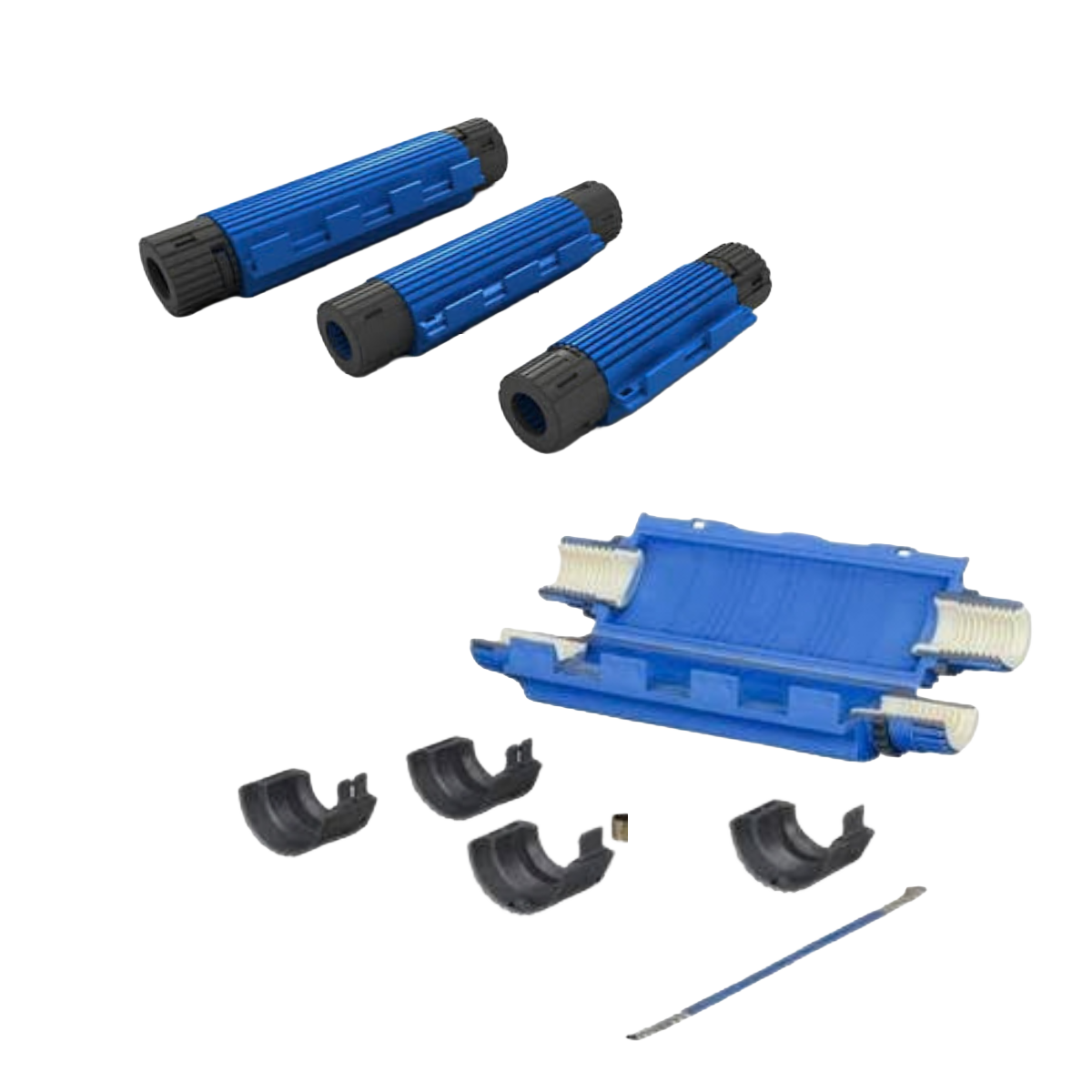
DC Connection risk:
Traditional vs Solfit

SolfitConnectSafe™ reduces the conditions that contribute to connector failure.
SolfitConnectSafe™ is a risk-mitigation solution and does not replace correct system design.
Solfit system approach
Solfit’s DC architecture is designed around controlled system delivery through:
- Defined electrical design methodology
- Structured DC cable management
- Integrated protection measures
- Reduced installation variability across plots
- ConnectSafe isolation and shutdown integration
- Approved inverter architecture and system compatibility
Solfit currently integrates approved SolaX inverter platforms including:
- X1-BOOST G4
- X1-MINI G4
These systems support integrated protection functions including:
- Rapid shutdown compatibility
- AFCI support
- DC/AC surge protection
- System monitoring and export control
This creates a more predictable, scalable and controlled DC system when correctly specified and installed.
A system-led approach to both
In traditional installations, inverter selection is often treated as a standalone technical decision. With Solfit, both architectures are delivered as part of the same integrated solar solution, aligning:
- Roof integration
- Electrical design
- Installation methodology
- Compliance strategy
This ensures:
- Consistency across plots and developments
- Reduced variation between contractors and suppliers
- Greater control over performance and safety outcomes
Microinverter vs String Inverter Systems
The difference between micro and string inverter systems is not just technical. It directly impacts how systems are designed, installed and managed across a development.
Microinverters (AC)
String Inverters (DC)
DC risk profile
Reduced (ELV DC at module level)
Present (high-voltage DC across strings)
Shutdown
Module-level
System-level
Monitoring
Panel-level
System-level
Installation
Factory-connected
Site-made DC connections
Flexibility
High
Configuration dependent
Maintenance
Panel-level access
Centralised access
Scalability
Modular
Structured expansion
Designed for compliance and delivery
The choice of inverter architecture is increasingly influenced by:
- Future Homes Standard performance requirements
- Approved Document B fire safety constraints
Solfit systems are designed to operate within these conditions from the outset, enabling:
- Controlled system layouts
- Optimised use of available roof space
- Reduced redesign during construction
- Consistent delivery across developments
Next step
If you are unsure which architecture is appropriate for your project, our team can support with specification and system design.


